
Meet the Program Team | SCIBER-CT
Program Leadership

Associate Professor and Jim Ryan Endowed Chair in Construction Engineering and Management
Civil, Construction, and Environmental Engineering
San Diego State University
Dr. Reza Akhavian is an expert in construction AI and robotics with over 15 years of research, teaching, and industry experience. His professional focus is on technology adoption, digital transformation, and particularly human-robot interaction in construction and the built environment. He has led over $7M in funded projects and published extensively in leading journals and conference proceedings. Dr. Akhavian is the recipient of the NSF CAREER, ASCE Outstanding Young Professional, AGC Outstanding Educator Meritorious, and ENR California Top 20 Under 40 awards.
- Artificial intelligence for construction and civil engineering
- Robot-worker collaboration
- Safety monitoring systems
- Digital twins
- Digital transformation
- AI & Machine Learning
- Robotics & Automation
- Advanced Communications & Immersive Technologies
- Construction Productivity
- Construction Safety
- Digital Twins
- Construction Efficiency
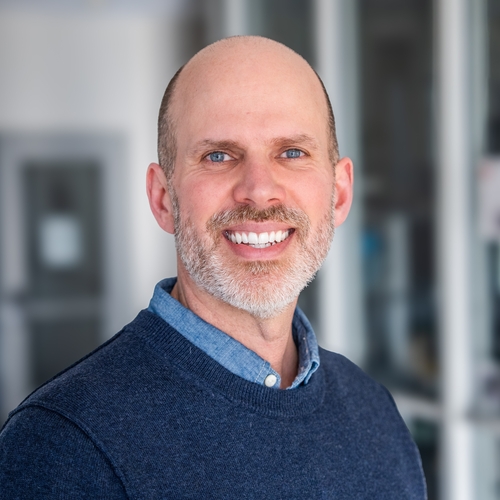
Professor
Civil & Environmental Engineering
University of Virginia
Dr. Jonathan Goodall is an expert in water resources engineering and cyber-physical systems with over 20 years of research and teaching experience. His work focuses on flooding impacts to infrastructure systems and data-driven decision support for interdependent urban systems. He serves as Director of the Link Lab at the University of Virginia, a leading center for cyber-physical systems research. Dr. Goodall is a recipient of the NSF CAREER Award and the IEMSS Early Career Research Excellence Award, and was elected to the Virginia Academy of Science, Engineering, and Medicine in 2021.
- Water Resources Engineering
- Hydroinformatics
- Stormwater
- Flooding
- Smart Cities
- Machine Learning
- AI & Machine Learning
- Digital Twins

Professor
Electrical & Computer Engineering
San Diego State University
Dr. Junfei Xie is an expert in unmanned aerial systems (UAS) and artificial intelligence with over 10 years of research and teaching experience. Her work centers on UAS-based networked airborne computing and AI for autonomous systems operating in uncertain environments. She has led multiple NSF-funded projects totaling over $3.8M, including an NSF CAREER award and a major ExpandAI grant supporting AI research and education across the San Diego region. Dr. Xie is a recipient of the NSF CAREER Award and the SDSU Presidential Research Faculty Fellow Award, and was named among the San Diego Business Journal's Top 50 Women of Influence in Engineering in 2022.
- Artificial intelligence for unmanned aerial systems
- Networked Airborne Computing
- Mobile Edge Computing
- Airborne Networks
- Cyber-physical systems
- AI & Machine Learning
- Robotics & Automation

Associate Professor
Electrical & Computer Engineering
San Diego State University
Dr. Christopher Paolini is an expert in Internet of Things systems, advanced communications, and high-performance computing with extensive research and teaching experience in electrical and computer engineering. His current work spans embedded AI, IoT device development, mmWave antenna fabrication, and cybersecurity, with a focus on connecting physical systems to intelligent networks. He has led or co-led over 21 funded research awards from agencies including NSF, NASA, ONR, DOE, and NIH, and has published 31 peer-reviewed journal articles and 68 conference papers. Dr. Paolini is the recipient of a 2023 U.S. Navy Impact Influencer teaching award and seven consecutive summer research fellowships at Lawrence Berkeley National Laboratory.
- Embedded AI
- IoT Device Design and Fabrication
- High-Performance Computing
- Accelerated Computing
- AI & Machine Learning
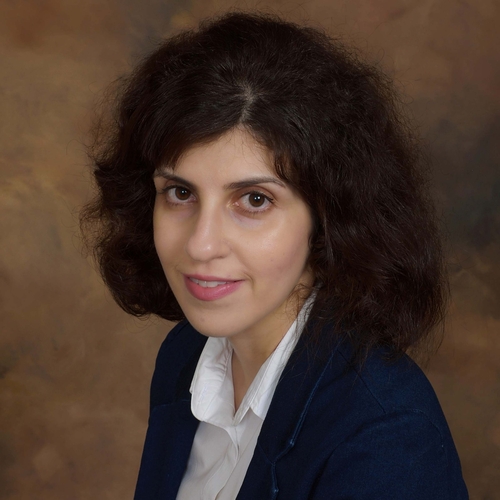
Assistant Professor
Mechanical Engineering
San Diego State University
Dr. Zahra Nili Ahmadabadi is an expert in robotics and control systems with a focus on safety-critical control, collaborative robotic manipulation, and autonomous perception. Her research addresses fundamental challenges in enabling robots to operate reliably in complex, unstructured environments, with applications spanning construction, defense, and infrastructure. She leads the Dynamic Systems and Intelligent Machines Lab at SDSU, a facility featuring a fleet of 22 robotic platforms, high-precision motion capture, and advanced sensing and prototyping capabilities. Dr. Nili Ahmadabadi is a recipient of the ASME Rising Star Award and the Army Research Office Early Career Award.
- Safety-Critical and Nonlinear Control
- Collaborative Robotic Manipulation
- Resilient Autonomy
- Active Perception
- Multi-Agent Coordination
- AI & Machine Learning
- Robotics & Automation
- Construction Safety
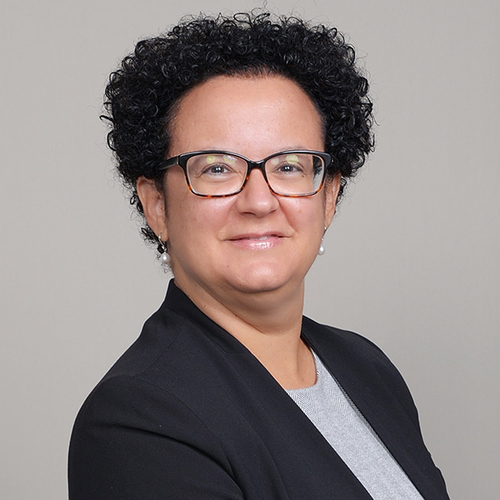
Professor & AGC - Paul S. Roel Chair in Construction Engineering and Management
Civil, Construction, & Environmental Engineering
San Diego State University
Dr. Thais Alves specializes in construction management and project-based systems, with a focus on lean production, delivery system performance, and how people organize and collaborate in complex project environments. Her work also spans Engineering education, where she applies serious games and active learning approaches to make the field more accessible and engaging. She holds the AGC Paul S. Roel Chair in Construction Engineering and Management at San Diego State University, and has spent over 15 years teaching, advising, and partnering with construction companies on the implementation of lean principles, particularly in production planning and control.
- Lean Construction Theory and Practice
- Production Planning and Control in AEC Projects
- Learning and Collaboration in Project-Based Systems
- Office Operations and Field Reliability
- Building Information Modeling (BIM) in Planning and Scheduling
- Construction Productivity
- Construction Efficiency
- Construction Safety
- Professional Development
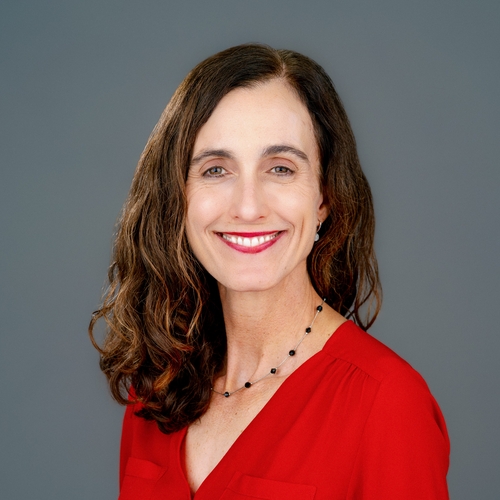
Professor and Sprouse Family Endowed Professor
Management
San Diego State University
Dr. Amy Randel is an expert in organizational behavior with over 25 years of research and teaching experience. Her work focuses on leadership, identity in organizations, work group dynamics, and inclusion, with applications across business, engineering, and construction contexts. She has published extensively in leading management journals and has been recognized as a top 2% most-cited scientist globally. Dr. Randel is a recipient of the Academy of Management Sage Award for Scholarly Contributions to DEI research and the SDSU Research and Teaching Excellence Awards, and was named Most Influential Professor at the Fowler College of Business in both 2022 and 2024.
- Leadership
- Identity in Organizations
- Mattering at Work
- Work Group Dynamics
- Construction Productivity
- Professional Development
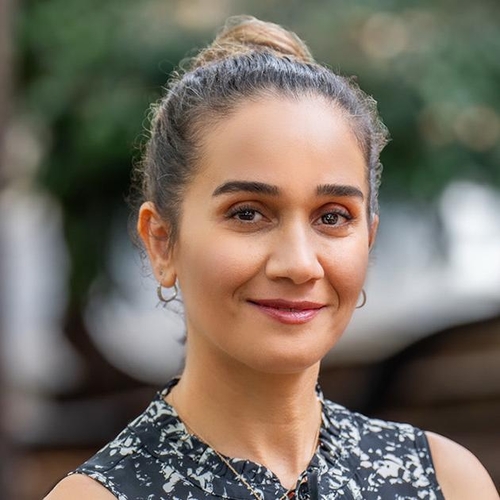
Professor
Civil & Environmental Engineering
University of Virginia
Dr. Somayeh Asadi is a Professor in the Department of Civil and Environmental Engineering at the University of Virginia, where she leads a research group focused on smart buildings and cities, occupant behavior and health, net-zero and resilient built environments, the food-energy-water-society nexus, and machine learning and AI applications in infrastructure. Before joining UVA, she was an Associate Professor of Architectural Engineering at Pennsylvania State University. She earned her M.Sc. and Ph.D. in engineering science with an emphasis on construction engineering from Louisiana State University. Beyond her research, she is deeply committed to mentorship and the intellectual development of undergraduate and graduate students. She is the past chair of the ASCE Global Computing Committee and served as faculty advisor for the National Electrical Contractor Association (NECA) student chapter for eight years.
- Smart Buildings and Cities
- Occupant Behavior and Health
- Net-Zero and Resilient Built Environments
- Food-Energy-Water-Society Nexus
- Machine Learning and AI for Infrastructure Systems
- AI & Machine Learning
- Digital Twins
- Construction Efficiency
- Sustainable Construction
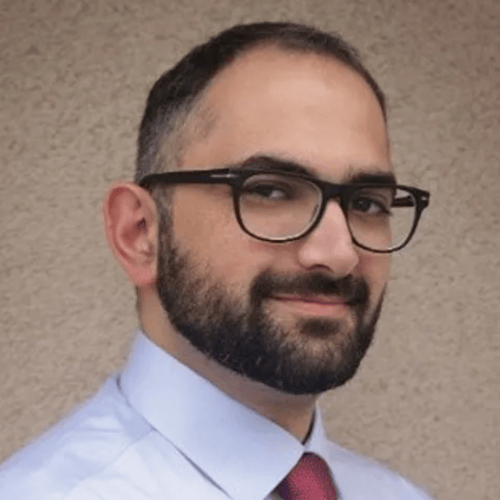
Associate Professor
Civil & Environmental Engineering
University of Virginia
Dr. Arsalan Heydarian is an Associate Professor in the Department of Civil and Environmental Engineering at the University of Virginia and a member of the UVA Link Lab. His research focuses on the user-centered design, construction, and operation of intelligent infrastructure, with an emphasis on sustainability, adaptability, and resilience. His work spans four primary areas: intelligent built environments, mobility and infrastructure design, smart transportation, and data-driven mixed reality. Dr. Heydarian holds a Ph.D. in Civil Engineering and an M.Sc. in Systems Engineering from the University of Southern California, along with B.Sc. and M.Sc. degrees in Civil Engineering from Virginia Tech. He is also a co-founder of the Omni Reality and Cognition Lab (ORCL Lab), a facility that uses virtual and augmented reality technologies to study human behavior and responses to infrastructure design.
- Intelligent Built Environments
- Mobility and Infrastructure Design
- Smart Transportation
Data-Driven Mixed Reality - Virtual and Augmented Reality for Human Behavior Research
- AI & Machine Learning
- Advanced Communications & Immersive Technologies
- Digital Twins
- Construction Safety
- Construction Productivity
Affiliate Faculty
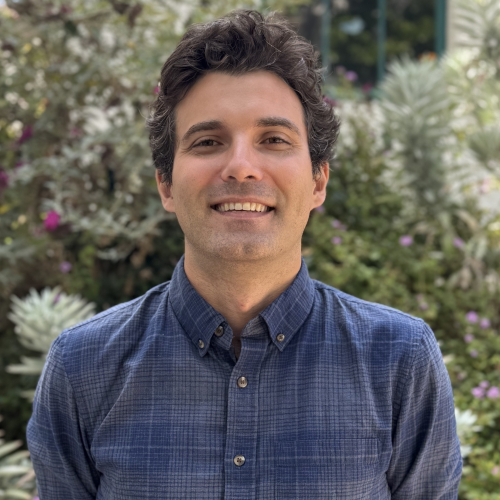
Dr. Baris Aksanli
Associate Professor
Department of Electrical and Computer Engineering
San Diego State University
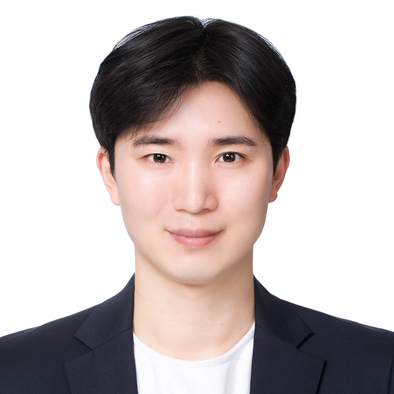
Dr. Juhyeon Bae
Assistant Professor
Department of Civil, Construction, & Environmental Engineering
San Diego State University
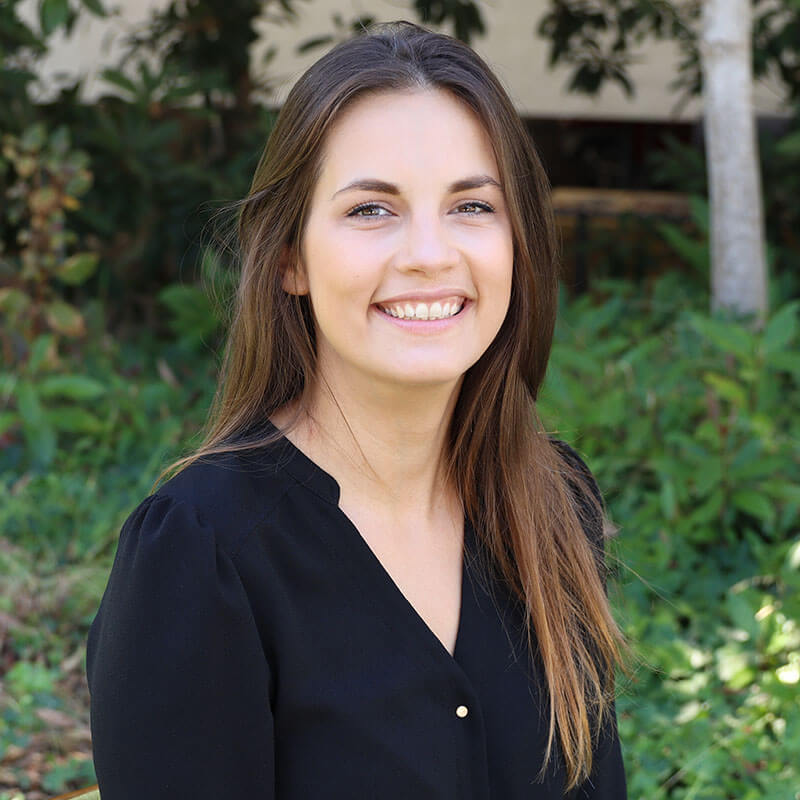
Dr. Marta Miletić
Associate Professor, Geotechnical Engineering
Department of Civil, Construction, & Environmental Engineering
San Diego State University
SCIBER-CT 2026-2027 Cohort
Our NRT Fellows and Scholars represent varied academic backgrounds, united by a shared interest in applying ARX technologies to the built environment.
 Open the image full screen.
 Open the image full screen.
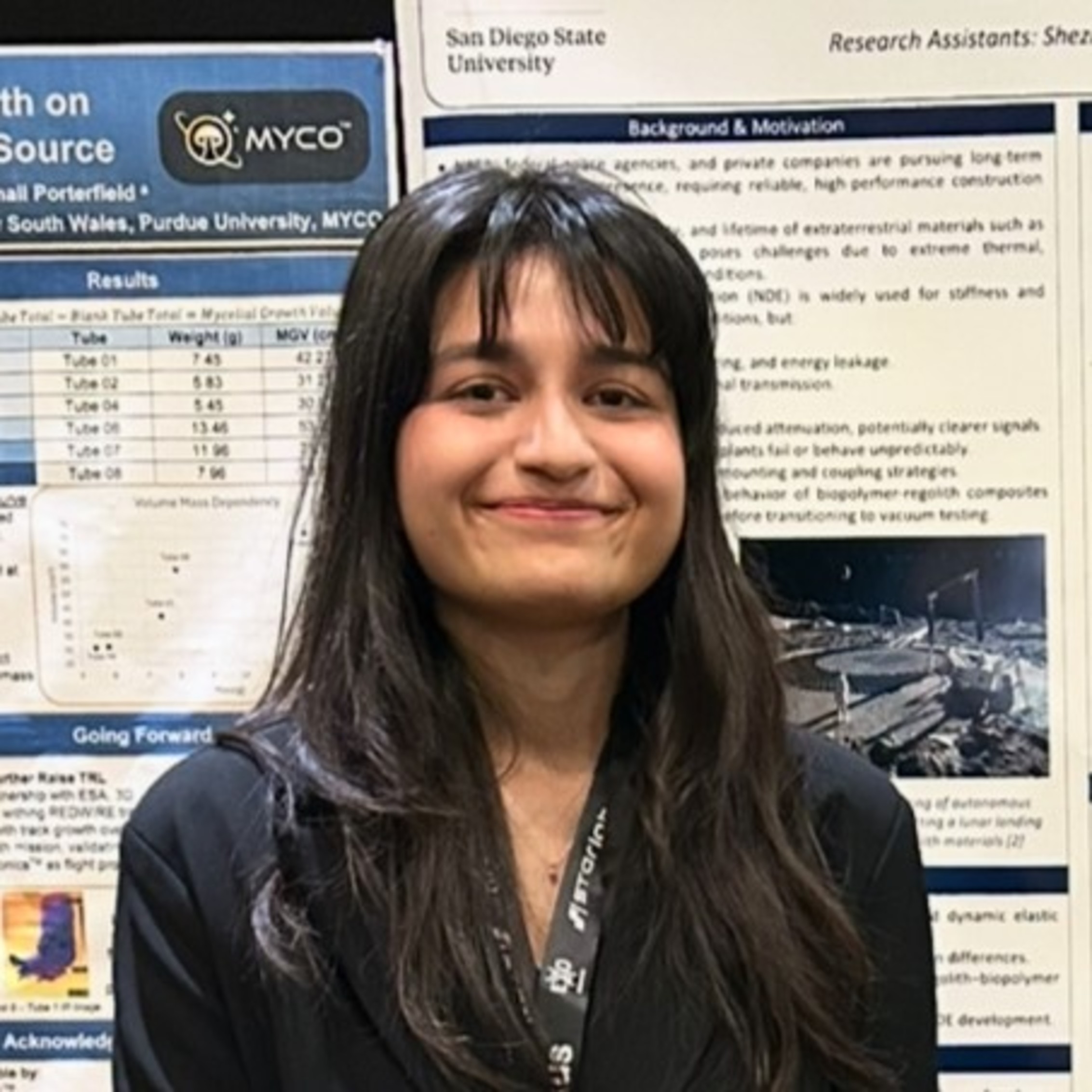 Open the image full screen.
- Open the image full screen.
 Open the image full screen.
- Open the image full screen.
- Open the image full screen.
External Advisory Board
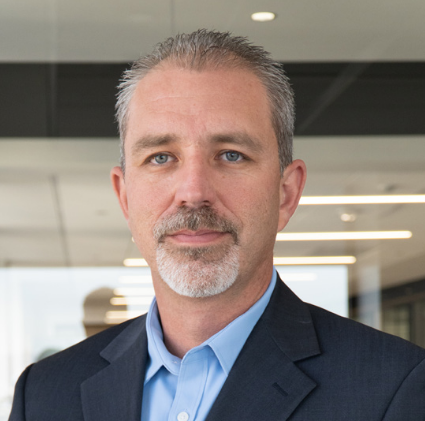
Jesse Doty
Project Executive
Clark Construction Group
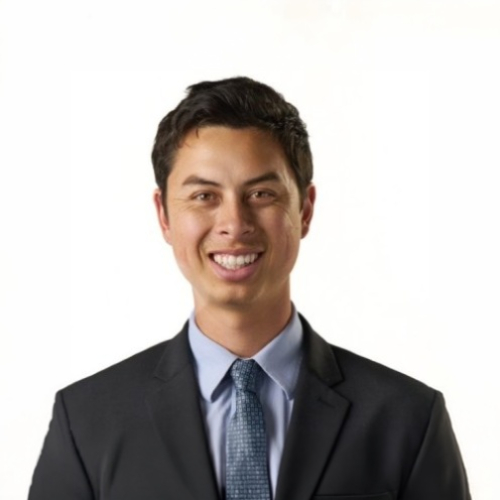
Peter Lee
Project Manager
The Whiting-Turner Contracting Company

Art Rodriguez
Vice President
The Whiting-Turner Contracting Company

Jeremy Tole
President
Azbil North America Research & Development, Inc.

Dr. Mani Goldparvar-Fard
Professor and Entrepreneurial Fellow
University of Illinois, Urbana-Champaign
Dr. Tara Hutchinson
Jacobs School of Engineering
University of California, San Diego
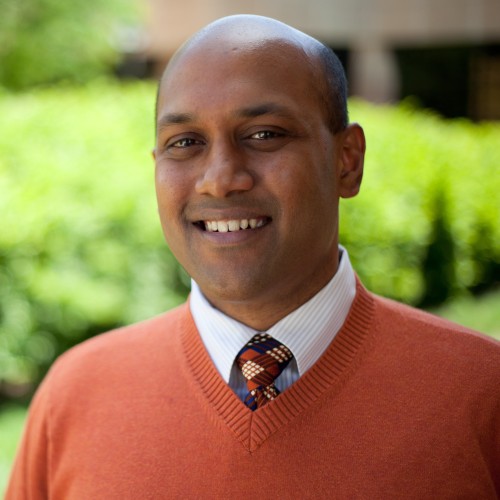
Dr. Vineet Kamat
John L. Tishman Family Professor, Civil & Environmental Engineering
University of Michigan
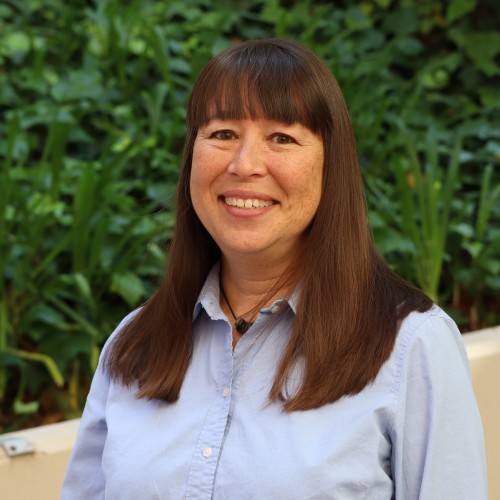
Dr. Lisa Kath, P.hD.
Associate Professor, Industrial-Organizational Psychology
San Diego State University
Dr. Falko Kuester
Jacobs School of Engineering
University of California, San Diego
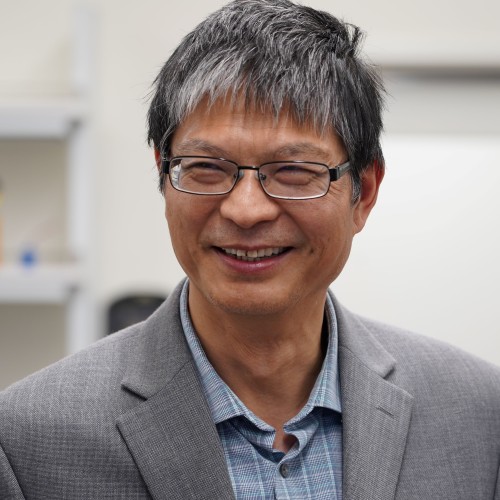
Prof. Chris Mi, Ph.D, Fellow IEEE & SAE
Distinguished Professor, Electrical & Computer Engineering
San Diego State University
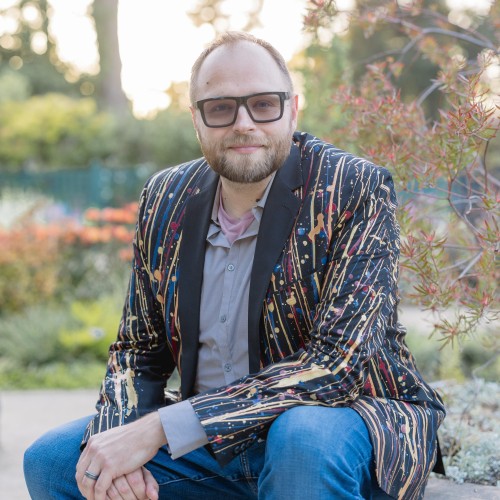
Parissa Nikkhoo
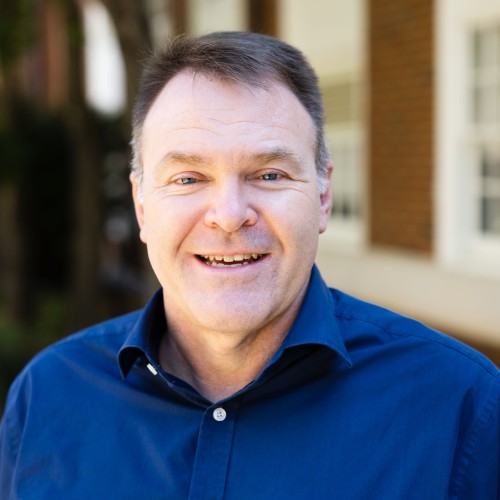
Dr. Brian Smith, P.E., Ph.D.
Senior Associate Dean for Research and Faculty Affairs
University of Virginia School of Engineering & Applied Science
Dr. Iris D. Tommelein
University of California, Berkeley
This material is based upon work supported by the National Science Foundation under Grant No. 2440647. Any opinions, findings, and conclusions or recommendations expressed in this material are those of the author(s) and do not necessarily reflect the views of the National Science Foundation.